

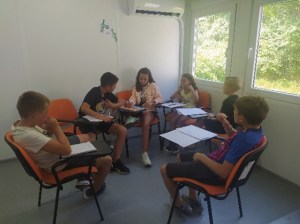
It’s not quite 5 am in Warsaw, the capital city of Poland, where I just woke up. For the past 21 months, it is the place I have called home. One of many places I have called home in recent years. I thought about going back to sleep, but I knew that when I woke up again, I wouldn’t feel as refreshed as I do now. I got up made a cappuccino and decided to put the pen to the paper. I’ve had a few thoughts rolling around in my head this past month. One stemmed from a conversation I had with Guy, a co-worker from my summer experience at Z-Camp, a youth language camp on the Black Sea in Bulgaria. We both said that we don’t like (I hesitate to use the word hate) when someone says, “oh, you’re so lucky”, in reference to our lifestyle.

Then, I was interviewed by Burton Cole from my hometown newspaper last month. One of the things he asked was, “what do you want people to know?” Finally, I was on a Zoom call with friends from the states. Talking about my life in Poland, I remarked that I had fallen into a great job. Marla quickly reminded me that I didn’t “fall into it” that I worked/planned to be where I am right now. In other words, it wasn’t luck.
I made a conscious choice for my current lifestyle in 2013. Although, most of my life I have had a goal of living life abroad even for a short time. I started to put this goal in motion in 2012 by researching ways to live/work abroad. Teaching English seemed to be the best option for me, and in January 2013 I started classes with the University of Miami of Florida to get my Teaching English as a Foreign Language Certification or TEFL. The course was more intense than I expected and along with working full time, it consumed much of my after-work energy. That TEFL certification was the first step in finding a teaching job abroad. Of all the cities, in all the world I have for most of my life dreamed of living in Paris. So, that is where I started. I found 2 agencies and interviewed via Skype with one and a girl’s trip to Paris with my friend Teri to interview in person for the other.
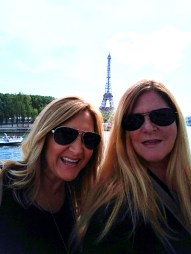
Thrilled to have been offered a job with both, the research and planning began. What does it take to live in France and the EU? It isn’t so simple; you can’t just pack a bag and move to Paris. Ah, immigration laws, which I won’t get into here. Just know you need to apply for a special visa or temporary residency (rules differ between countries) to live and work in the EU.
I have a job in Paris, but what about my job back home? I have a place to live in Ohio, but where will I live in Paris? Will I need other insurance? How much stuff will I need to take with me? I had already decided this was a trial and planned to stay for 6 months. Still, that is at least two seasons, what should I pack? What part of the city do I want to live in? Each job offer would require me to travel to people’s homes, so I had no idea what arrondissement would be best. How much money should I have in reserve as a security blanket? As I researched the answers to these questions, I put a plan in place so that in August 2014, I was able to board a plane and start life in Paris. Was I lucky? The dictionary tells us that lucky is something that results from good fortune and chance. Chance didn’t land me in Paris. Over a year’s worth of research, planning and further education landed me in Paris. Everything didn’t quite go as planned in Paris, but that’s another story. The point is, I made it happen. I also came to the realization that this was the lifestyle I wanted at this point in my life. I returned to the US but, I needed to find another path to travel and live abroad again. Soon I was researching what I needed to do to live and teach in China. A far cry from life in Paris, but it was something I wanted to do, I just had to figure out how to make it happen. At least a lot of the research I had already done for Paris was helpful in this venture. A few months later I was boarding a plane for China and what I thought would be 6 months studying (I applied for a student visa), living, and working in the Middle Kingdom. As my 6-month visa was expiring, I knew I wanted more. Which is how 6-months turned into 4 years.


After 4 years of working and traveling the Middle Kingdom and other parts of Asia, I was ready to give up my China life. My next destination of choice was Bali. After 2 short visits, I knew I wanted to spend an extended period on the Island of the Gods.

I already had friends that I considered my Balinese family, but I had to find out how I could stay past the 60-day tourist visa limit. I also knew it was difficult to work in Indonesia as a foreigner, but I could volunteer and possibly apply for a social visa. In the end, I discovered it was easiest to purchase a visa on arrival. This is different from the visa on arrival that is free. The free one cannot be extended beyond the 60 days whereas a purchased ($25) VOA can be extended 4 times for 30 days each time. Also, customs and immigration are diligent about checking that arrival date stamp when you are leaving the country. Every day your visa is overstayed will cost you 1 million rupiahs or about $70. I can vouch for this as I personally know someone who overstayed their visa by not thinking about the fact that some months have 31 days. See what I mean about it taking a lot of research and planning? Was I lucky I was able to spend the better part of 5 months living in Bali? I will let you answer that.

Leaving Bali, I had already committed to a job in Poland but took a couple of months to return to the USA for the holidays. Fast forward to February 2020. I boarded a plane to Poland with a notebook of information on things I had to do after I arrived. I had a company, English Wizards, I would “work” for who would provide job leads, but it was still up to me to get hired. I contacted a language school (my company had sent them my CV) before leaving the USA, but they wanted to wait until I was physically on Polish soil before moving forward. Which basically meant that I would arrive in Poland with job opportunities, but no guarantee of a source of income. After landing a job, before I could be paid to work, I had to obtain a PESEL number. It is like a Tax ID as I would be paying taxes in Poland. You can’t get a PESEL number without a bank account.
I arrived in Warsaw on February 3, 2020. Checked into my Airbnb (I wasn’t sure if I would stay in Warsaw or move to another city). It was also 40 minutes from the city center by bus, not exactly ideal. I landed a job the first week so I would need that PESEL number so I could get paid. I was able to open a bank account and then I needed to apply for my PESEL which needs to be done in Polish. English Wizards provided me with a step-by-step document to help me complete the paperwork on my own vs hiring someone to do it for me. All is good now, right? Not exactly, I arrived with a tourist visa which is only valid for 90 days. I have a job, a bank account, a PESEL number, an Airbnb to stay, what else could I possibly need. Again, EW had provided me with documents detailing the further steps I had to take to continue to live and work in Poland. Before my tourist visa would expire, I had to apply for a Karta Pobytu or temporary residency permit since I didn’t have time to apply for a working visa while I was in the states. It must be applied for in your home country, it was the holidays, I would have had to go to the Embassy in New York City. So temporary residency it would have to be. To apply for my Karta Pobytu, I had to have a rental contract and it couldn’t be an Airbnb. It had to be an official contract with a landlord. Now along with working, I had to apartment hunt in a city I wasn’t familiar with. After some research, I knew I wanted to live in the city center. Also, my job, teaching Business English at 3 different companies, was in the city center, so it just made sense. I found a shared flat that I liked and signed a 6-month lease in case I decided I wanted to move. It’s been 20 months and I am still in the same flat. Rental contract signed, now I could get my TRP. Wrong! I also had to have medical/emergency/accident insurance that met all the criteria of the government requirements for a foreigner. Next, another small task, haha, I had to have copies of all the pages in my passport with entry and exit visas for the last 5 years. For me, this means copying 2 passports as I had just renewed mine. Then, as part of the Karta Pobytu application, I had to list all the countries with the entry and exit dates in chronological order in Polish. Honestly, for me, it was kind of a nightmare if you have ever seen my passport. I also had to provide copies of my work permit (which I had applied for before arriving in Poland), a work contract, and the list went on.
Feeling satisfied, thanks to detailed instructions from EW, that the application was filled out correctly (in Polish, blue ink, all caps) I went online, paid my filing fee, and was ready to submit the paperwork. BOOM, the global pandemic hits in Poland and we are on lockdown. Everything would now need to be submitted by post instead of in person. I got my package of documents together and sent everything in and requested proof of delivery. Because of the pandemic, everything was at a standstill, and it was months before I heard anything. I finally received notification that my application was denied as it was missing a document. I could appeal or start a new application.

By now I had a roommate, Valeria, who worked in a company that helped people obtain their Karta Pobytu, so with her help, I decided to just reapply as some of my other documents would need updating. I had signed a new lease agreement, my work permit would be expiring, and I would need to submit my new one, etc. So together we prepared a whole new application, sent it by post, and played the waiting game. Finally, notification, I had the submitted wrong insurance. I could appeal and send in the correct proof of insurance. Valeria to the rescue, wrote my appeal since she speaks not only her native language of Russian but also Polish and English.
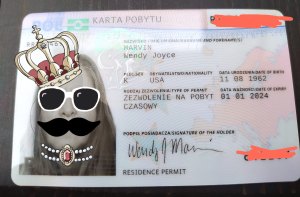
10 days ago, after 21 months in Poland, I finally received my 3-year temporary residency or Karta Pobytu. Was I lucky? Nah, I don’t think so. Maybe I would say I was lucky to have Valeria as a roommate, but luck didn’t land me in Paris, China, Bali, or Poland!
This has turned into a longer post than I expected, but I do ramble a bit. I mentioned I was recently interviewed by my hometown newspaper, the Tribune Chronicle. Burton Cole asked me what I wanted people to know. Simply put, I want people to know that Aldous Huxley had it right when he said, “To travel is to discover that everyone is wrong about other countries.” When you immerse yourself in a culture and open your eyes, your mind, heart, and soul to their culture, foods, traditions, and differences, you just might see your own eyes looking back at you. People are mostly good. They want to be happy, enjoy their family and friends, eat good food, feel balanced, feel important to others, be free from social judgment, make a difference in the life of others, and live each day without regret. I want people to know that my lifestyle isn’t for everyone.


Yes, I have seen amazing places, met amazing people, but not everyone wants to squat over a hole for a toilet. Not everyone wants to travel/live abroad independently leaving behind the friends you have just made to have to start over in a new city or country. It isn’t always easy dealing with language barriers. Everyone can’t live without certain modern conveniences. In my over 7 years abroad, I have never had a clothes dryer. I must hang all my laundry to dry. For 2 years in China, I had to take my sopping clothes out of my “washer” and put them in a spinner before hanging them to dry. In my first 6 months in China, I had an electric conduction pad and a rice cooker to prepare all my meals.
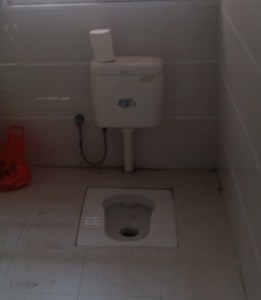
I spent 6 months in a flat with only a squat toilet. Not everyone can pack up and leave family and friends behind in their home country and start over with only the things you can carry with you. I could go on and on about some of the perceived negatives of why living abroad isn’t for everyone. More importantly, I want to say if you think it is for you or you want to try it even for a short time, don’t make excuses, plan, do the research, pack a bag, and go. As this unknown author’s quote says, “it will be the scariest, most liberating, life-changing experience of your life. Try it at least once.”
I want people to know that luck didn’t get me here. If you still think I am lucky, well, don’t be surprised if I say, “I have made my own luck”.

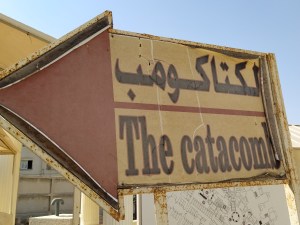


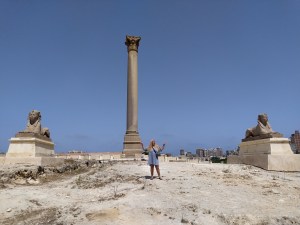


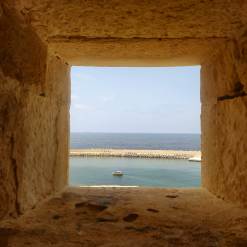
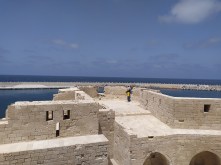
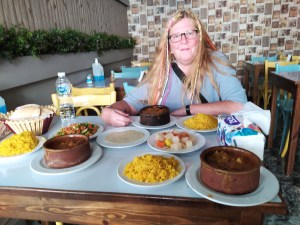


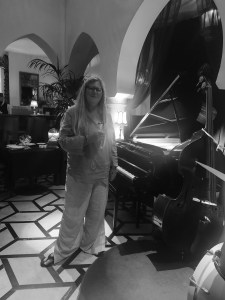


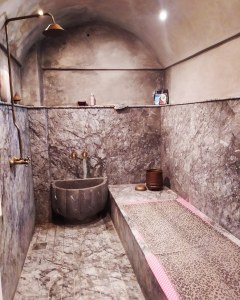



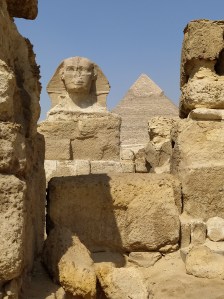
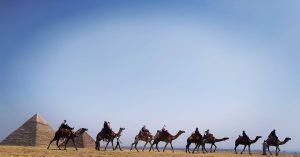
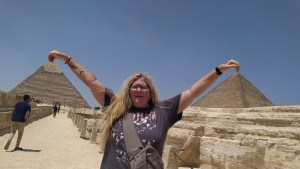
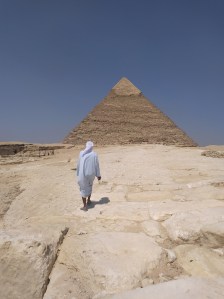
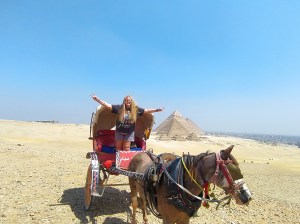
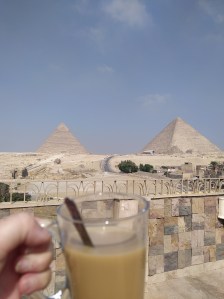 I am currently sitting at my guesthouse in Giza, Egypt sipping my morning coffee and staring at the Giza Pyramid Complex. On the Giza Plateau sit the Pyramids of Giza and the Great Sphinx. Three pyramids dominate the landscape and each one was built as the final resting place for a king from the 4th Dynasty also known as the “Golden Age” of the Old Kingdom. The 4th Dynasty lasted from 2613-2494 BC. It was a time of peace and prosperity.







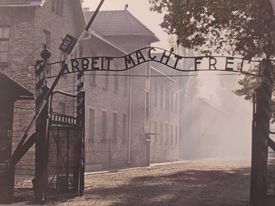
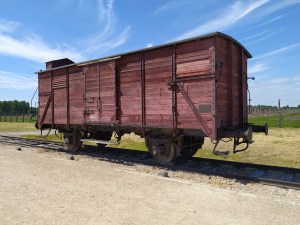
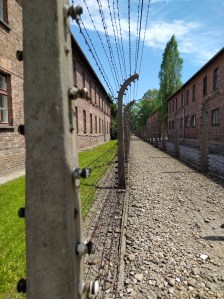
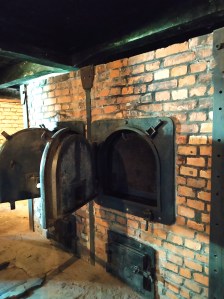
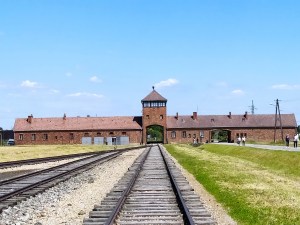
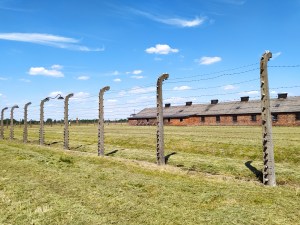
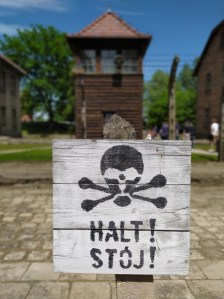 Since arriving in Poland in February of 2020, I have visited Auschwitz I, Auschwitz-Birkenau, and Majdanek. Although, I will dedicate this post solely to Auschwitz I and Auschwitz Birkenau and address Majdanek in a future post.
 prepare you for the reality of coming face to face with the entrance to Auschwitz I with the inscription Arbeit macht frei (work will make you free). The guide, with his gentle, soft voice and sad undertone led us solemnly through the gate, and then we stopped at the rear of a building, the camp kitchen. This, he told us, was where the camp orchestra played. Nice touch, right?!…prisoners playing music is the first thing you see/hear upon coming to camp…NOT. Of course, there was a more sinister use of the music which was played as the inmates left camp in the early morning and returned in the late evening from their labor. As one inmate stated, “the coordination of the marching labor commandos to the inexorable rhythm of the music, which many inmates sensed only subliminally because of exhaustion and apathy.” Another prisoner said, “we often returned from the field with a comrade’s corpse in our arms and had to march to the beat of the music with our left leg.” The music was also played during public punishments and executions as a demonstration of unlimited SS power. However, another prisoner, Franz Danimann, said that the Leonore Overture from Beethoven’s Fidelio which was performed by the official band during roll call in the summer of 1943, strengthened his will to survive.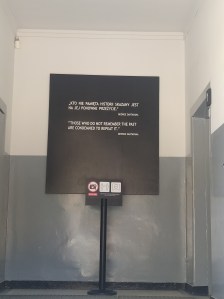
 Next, you walk into a room, and behind that glass wall are pairs of children’s shoes…not just 10 or 20 pairs but 100s or 1000s…then comes the room filled with the shoes of adults. 110,000 pairs of shoes were found after the camp was liberated. You see a glass wall behind which are some of the 88 pounds of eyeglasses left behind. Then there are the 246 prayer shawls and the 12,000 pots and pans brought to the camp by people who thought they would be resettled. Finally, behind a glass wall, the 100s of empty canisters of Zyklon B. Zyklon B was the trade name of a cyanide-based pesticide invented in Germany in the early 1920s. It consisted of hydrogen cyanide, as well as a cautionary eye irritant. Our guide told us 1 canister contained enough pellets to kill 1000 people. Imagine…this is just one building at one camp.

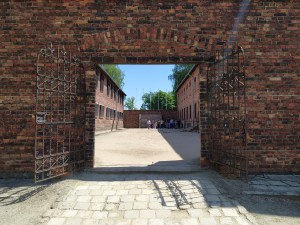
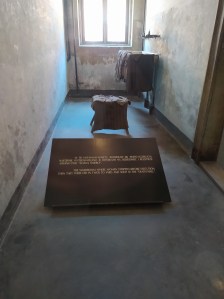
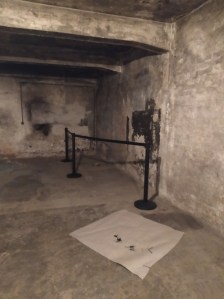
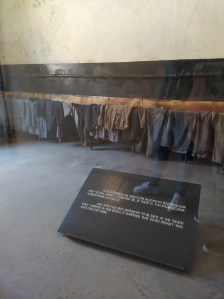 with no fresh air, and standing cells which held 4 prisoners for 3 to 10 days with only room for them to stand. The first trials of mass killing of people with Zyklon B were held in the basement. Finally, exiting the building you walk past the death wall.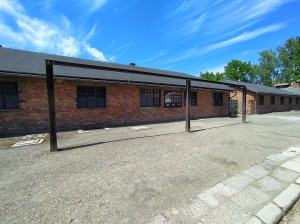



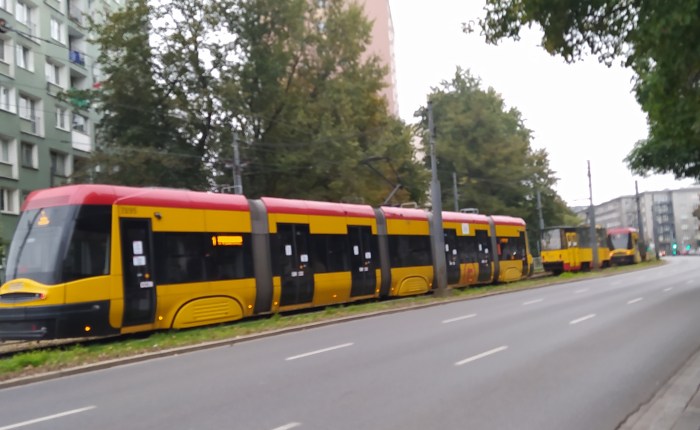

 Jakdojade is a public transportation app that provides detailed directions and transport options for most cities in Poland. I have used the free version for almost a year and a half and haven’t felt the need to upgrade to the paid version. The paid version has no ads. So, how do you use it? Since it is a mobile app, you will need an Android,
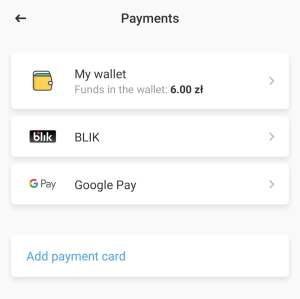 Windows or iOS smartphone and an active data connection. After downloading the app, you will need to create a profile and set up a payment method(s). There are options to put funds in a wallet, use BLIK (through my local bank), google pay, or add a card. I have all 4 options set up. Now let’s go somewhere….
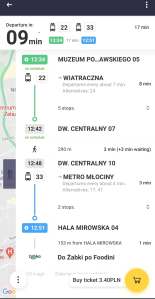
 You can choose the current location or physically enter a starting point. Then enter where you want to go. There is also an option to choose from on the map. After putting in the starting and ending points there are some other options available. You can change the time if you are looking for a future departure or if you prefer a certain mode (bus, tram, metro or train) you can select those now.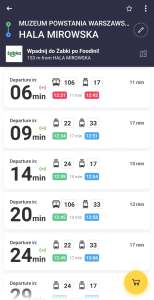
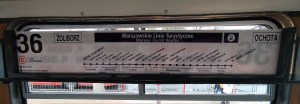
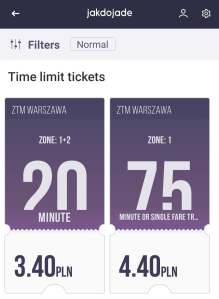
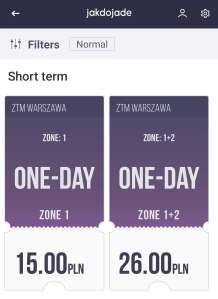
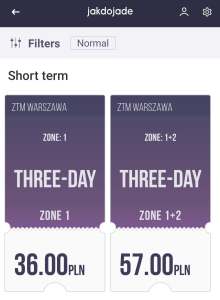













 At about 6 pm, a white stretch limo pulls up and Mark, in his tuxedo, gets out of the car and walks to me. He puts his arms around me, and I immediately start to cry. This is the night he has been waiting for. He escorts me to the limo and once inside, pours me a glass of champagne and says, “here’s to mom and dad”. The limo pulls away and drives around the block and Mark, Lori, and I, along with our family and friends walk the red carpet to the most amazing night of my life.


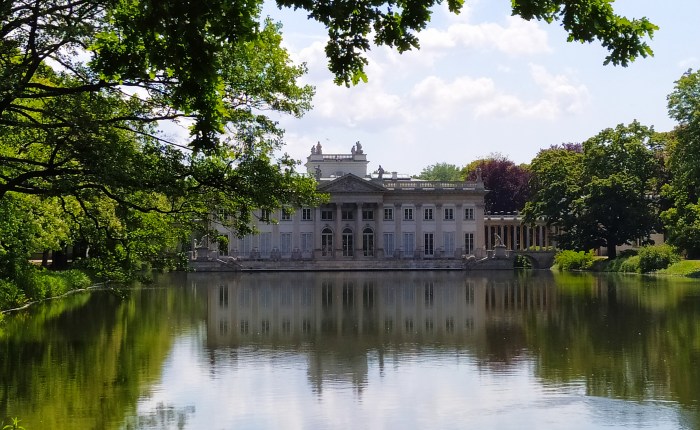
 I was also contacted by a friend in the states I met while deep sea fishing in Florida. She said she had a friend that was living in Warsaw and hoped we could hook-up. That’s how I met Tamara. My walks took me to Lazienki Park, the Chopin Monument, the Tomb of the Unknown Soldier, Rondo Tybetu which has artwork dedicated to the “Free Tibet” movement painted under an overpass, the Keret House which is the narrowest house in Warsaw, various locations of Mur Getta or the walls of the Jewish Ghetto of WWII, and the outdoor markets. I met Tamara a couple times at the Vistula River where we enjoyed strolling along the river and stopping for drinks at the various bars and cafes along the way. It was announced that most of the restrictions in Poland would be lifted on June 6th.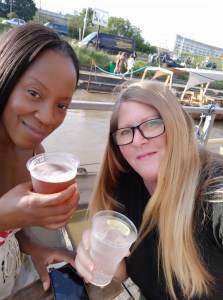



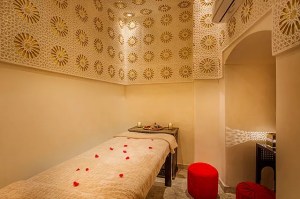
 I spent one Sunday afternoon walking around Fort Bema. It was a perfect fall day, and the trees were still changing their leaves. During the month, I also went for a couple massages. I got invited to and attended a Thanksgiving Dinner. We also prepared a turkey dinner in our flat the weekend after Thanksgiving and had a few people over.


 The next thing we knew, it was time to leave for Zakopane and Christmas. Zakopane was the Aspen of Poland. The mountains were beautiful. We trekked 3 hours up the mountain and back on Christmas day in light snow. I fell twice coming down and the next day thought I had been hit by a truck. Massage when I got back to Warsaw. We had a beautiful Christmas holiday in the Tatra Mountains. Sadly, the week of Christmas, I lost 3 friends. All non-covid.
 By January 1945, between 85% and 90% of buildings in Warsaw had been destroyed. It came close to not being rebuilt, but as former residents flocked back to the city, they began the reconstruction process on their own. Warsaw’s Old Town was meticulously reconstructed using original materials gathered from the rubble. It became a UNESCO Site in 1980.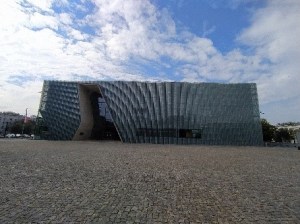
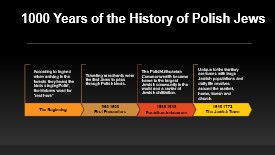
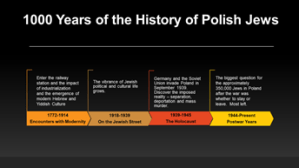
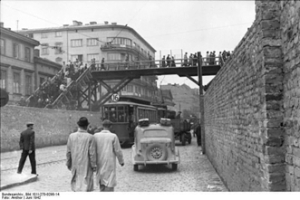
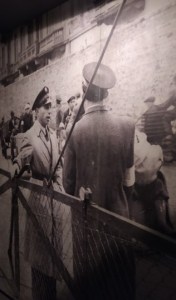 Gallery 7 represented the Holocaust. The Warsaw Ghetto was the largest of more than 600 ghettos in occupied Poland, both in size and in population, with 450,000 Jews trapped over the course of its existence (October 1940-May 1943). This gallery was in 3 sections and impossible to capture the emotion. The photos and displays were life-size putting you in the heart of the ghetto.






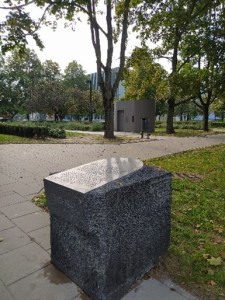
 I then came upon a small hill with steps leading up to a large “rock” with many small stones laying on it. I learned that this is “Mila 18”. Ulica Miła 18 (or 18 Pleasant Street in English) was the headquarters “bunker” (a hidden shelter) of the Jewish Combat Organization (ŻOB), which was a Jewish resistance group in the Warsaw Ghetto in Poland during World War II. On 8 May 1943, three weeks after the start of the Warsaw Ghetto Uprising, when the bunker was found out by the Nazis, there were around 300 people inside. Many surrendered, but the ŻOB command, including Mordechaj Anielewicz, the leader of the uprising, stood firm. The Nazis threw tear gas into the shelter to force the occupants out. Anielewicz, his girlfriend Mira Fuchrer, and many of his staff committed mass suicide by ingesting poison rather than surrender, though a few fighters who did neither managed to get out of a rear exit and later fled from the ghetto through the canals to the “Aryan side” at Prosta Street on May 10.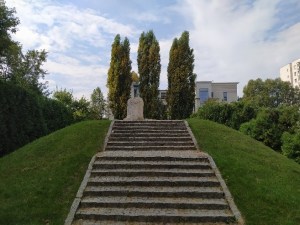

 Down the Rabbit Hole