Traveling solo changes the way you move through the world. Not just where you go or what you’re willing to do, but how you deal with uncertainty, how quickly you adapt, how deeply you connect, and how easily you eventually learn to leave. You become curious about things you once might have avoided and comfortable in places you never imagined calling home. You build temporary lives, make friends you may never see again, and collect stories that sound increasingly unbelievable when you tell them. Somewhere along the way, you realize the person who left home all those years ago isn’t quite the person traveling now.
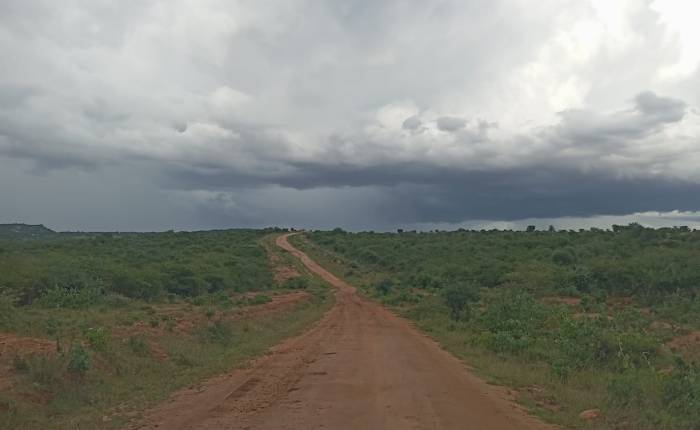
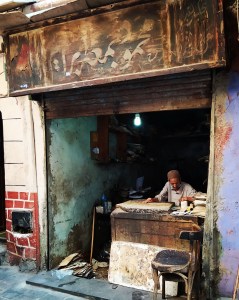
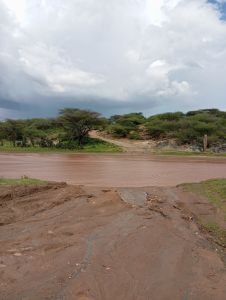
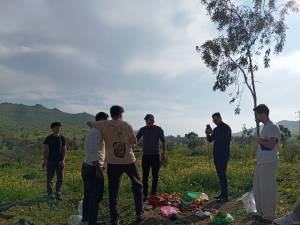
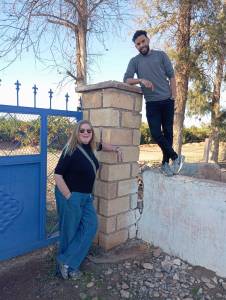
And yes, your standards change too! Sometimes dramatically. No hot water? I lived six months in Morocco without it. Electricity is out? A regular occurrence in Nanyuki. You learn to keep things charged. The road washed out? I’ve waited two hours for a flooded riverbed to become safe enough to cross. And the toilets? I’ve dropped and squatted in the bush surrounded by elephants. At some point, things that once would have been an inconvenience, a crisis or completely unacceptable just become part of the experience.
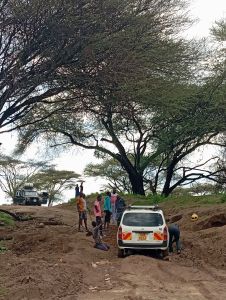
Maybe that’s one of the biggest changes. You stop expecting everything to go according to plan. A missed connection, a wrong turn, a language barrier, a flat tire in the middle of nowhere & none of it automatically means the day has gone wrong. Sometimes it becomes the day. You figure it out, ask someone for help, change direction or simply wait. And more often than not, those are the stories you remember.
You also become very good at not knowing. Where exactly am I going? Not entirely sure. How long will it take? Depends who you ask. Is this actually the road? Apparently. Will this work out? Probably. There’s a freedom that comes with realizing you don’t need all the answers before you start.
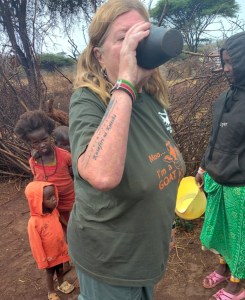
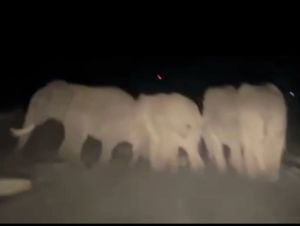
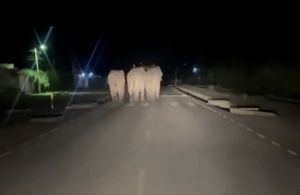
And then there are the stories. After enough years of traveling, you hear yourself telling one and realize how ridiculous it sounds. So there was this flash flood… Or I was drinking warm camel milk… Or the night we stopped along a dark road and I was told, “Whatever you do, don’t leave the side of the car.” A few minutes later, an elephant crossed the road in front of us. Or I ran into someone on a rainy street in Paris whom I’d randomly met twelve years earlier… Or I somehow ended up meeting someone I’d idolized most of my life in Nanyuki, Kenya. I attended the Queen Mum’s funeral. I stood at the Twin Towers three days before 9/11. I’ve taken a boat to a sacred island in the middle of nowhere. After a while, people who know me barely react. Of course that happened to Wendy. Things happen to me. They always have. Travel has simply given them a much bigger playing field.
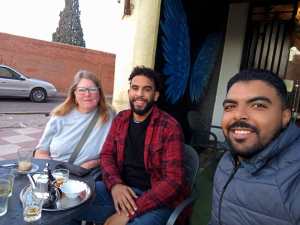
You get good at temporary lives. You arrive somewhere knowing no one, figure out where to buy groceries, find your favorite coffee shop or bar, learn the streets, develop routines and slowly stop feeling like a visitor. People know your name. You have a favorite table. You know who to call when you need something. For a while, this is simply where you live.
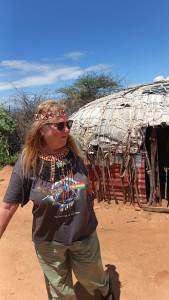
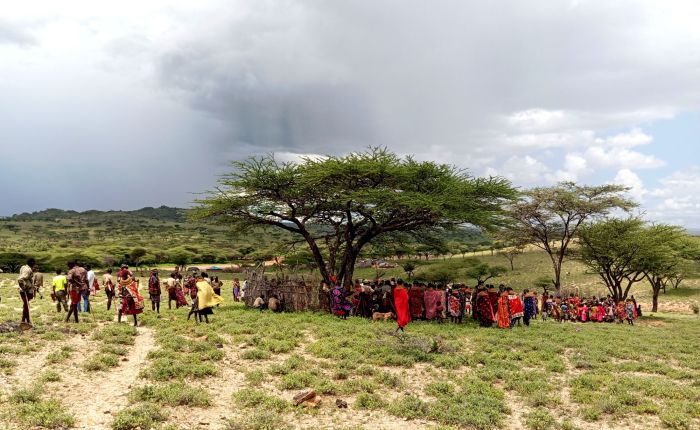
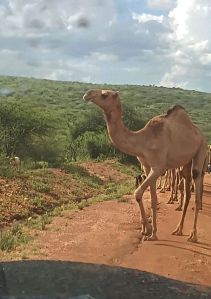
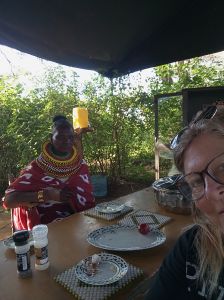
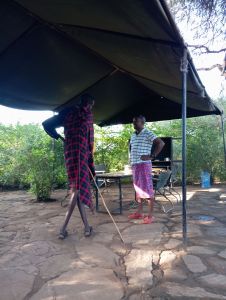
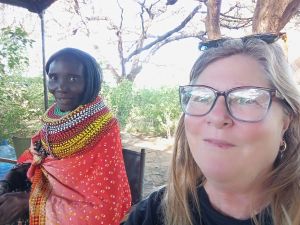
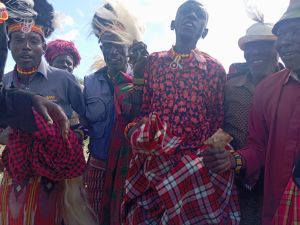
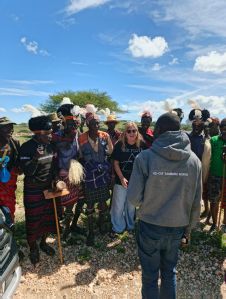
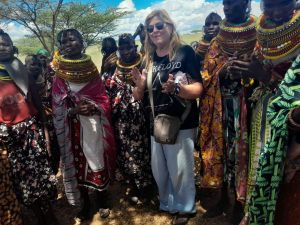
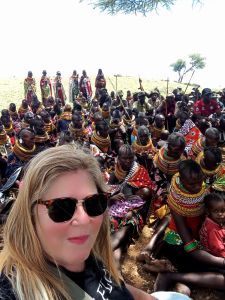
Sometimes that sense of belonging catches me by surprise. I’ve traveled to Samburu enough now that occasionally, as our vehicle passes, someone will recognize me and yell, “Mfrunbanya!” It’s Kiswahili slang that basically translates to “big ass,” but it’s said with affection, not insult and somehow hearing it yelled from the side of the road makes me smile every time. There’s something pretty special about being recognized in a place where I once knew no one.
Maybe belonging doesn’t always look the way you expect it to.
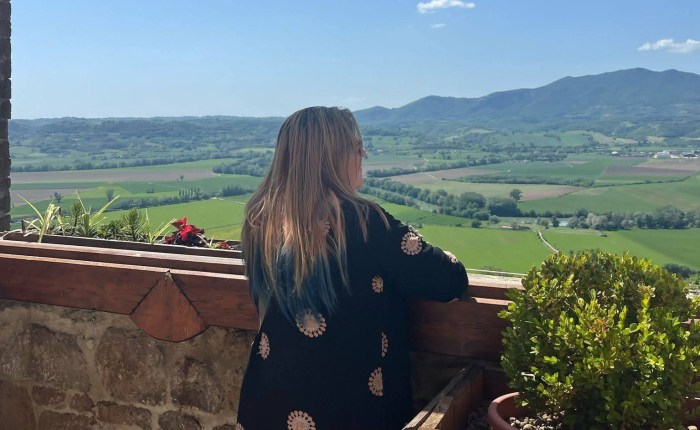
And you get attached. Deeply attached sometimes. To people, to places, to the guy who makes your coffee or your martini, to the person who always waves when you walk past, to a street you’ve walked a hundred times and a view you stopped taking pictures of because somewhere along the way it became normal. You can love a place without needing to possess it or stay forever.
Maybe that’s the strange part. I can build a life somewhere and genuinely love it while knowing there may come a morning when I wake up and realize it’s time to go. Not because anything went wrong. Not because I’m unhappy. Just because something in me says, Okay, what’s next?
Leaving doesn’t mean those places or people mattered less. If anything, traveling has taught me the opposite. Some people will be part of your life for decades. Others might share a bus ride, a meal, a conversation or a few months of your life and somehow leave just as much of a mark. I’ve stopped measuring relationships by how long they last.
Home has changed too. I’m not sure I think of it as one particular place anymore. Home can be wherever I’ve unpacked enough of my stuff to stop living out of the suitcase. It can be knowing which shop has what I need, recognizing faces when I walk down the street, or having someone notice when I haven’t shown up for a few days. I’ve learned that you can belong somewhere without needing to belong there forever.
Maybe that’s what being good at temporary lives really means. You learn how to arrive. You learn how to belong. And eventually, you learn how to leave.
Maybe emotionally detached isn’t exactly the right phrase. I’m probably more curious about people than I’ve ever been. I want to know how they live, what they believe, what makes them laugh, what they worry about and what a normal Tuesday looks like in their world. I’ll sit with someone I’ve just met and ask questions that somehow turn into stories about families, traditions, marriages, religion, death, food, money or whatever else comes up.
But I’ve also learned that not every connection needs a future. Some people come into your life for an afternoon, a week, a few months or a particular chapter. You can genuinely care about someone and still know that your lives will eventually head in different directions. There doesn’t always have to be a promise to keep in touch forever. Sometimes it’s enough that your paths crossed at all.
Travel has also made me much less certain that I understand anything about someone else’s life simply because I’ve spent time in their country. The more I see, the more questions I seem to have. Things that look difficult to me may simply be normal to someone else. Things I once thought people needed may not be what they want at all. I’ve gotten better at listening before deciding I understand.
Maybe that’s another contradiction of traveling for a long time. The world becomes more familiar and less familiar at exactly the same time. I’m more comfortable walking into places where I know no one, yet much less likely to assume I know what I’m walking into.
And I like that. I don’t travel because I already understand the world. I travel because I’m still curious about it.
And then there’s the assumption that I’m always on vacation.
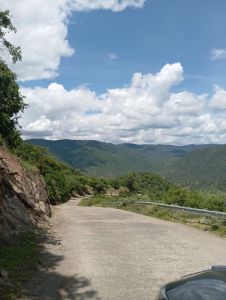
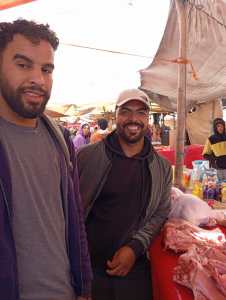
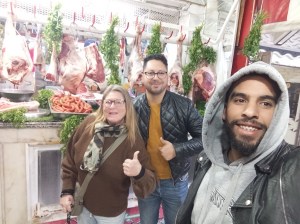
I understand why. My photos are usually elephants, mountains, markets, game drives, strange roads and places most people have never heard of. I rarely post a photo of myself doing laundry ( I actually don’t do it, I have a house helper), buying groceries or sitting around waiting for the electricity to come back on. Nobody needs that reel.
But there’s a difference between traveling somewhere and living somewhere. I still have to figure out what’s for dinner, pay bills, run errands and deal with all the ordinary pieces of life. Sometimes I spend the day doing absolutely nothing interesting. It just happens that the absolutely nothing is currently happening in Kenya.
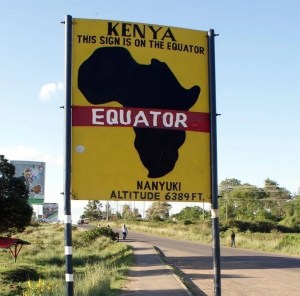
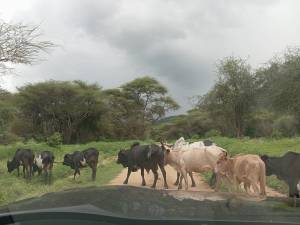
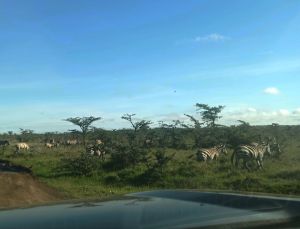
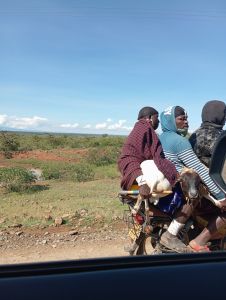
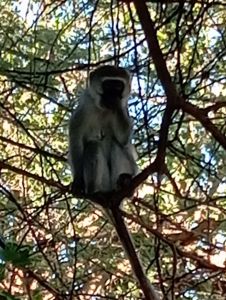
The funny thing is that after a while, even the extraordinary becomes ordinary. I can drive past giraffes and barely reach for my phone. A monkey on the roof is just a monkey on the roof. A boda is transportation. The equator is something I cross on the way somewhere else. Then someone comes to visit and suddenly I see it all through their eyes. They’re staring out the window at something I stopped noticing months ago, and I remember: Oh yeah. This isn’t normal for everybody.
Maybe that’s one of the stranger gifts of having people visit me along the way. For a little while, I get to borrow their fresh eyes and see my ordinary life as extraordinary again.
And then they go home.
I do the laundry (well my house helper does), charge everything before the electricity goes out again, and start wondering where I’m going next.
I don’t know if all these years of traveling have made me better at life, but they have certainly made me better at living with whatever comes next. I need less comfort, fewer guarantees and far less of a plan than I once did. I know I can arrive somewhere alone and build a life. I know I can become attached to people and places and still eventually say goodbye. And I know that leaving doesn’t erase any of it.
Maybe that’s what travel has changed most. I’m not searching for the perfect place to stay or some final destination where I’ll suddenly decide I’ve seen enough. I can build a life somewhere, love it while I’m there, and still wake up one morning knowing it’s time to move on.
I have no idea where I’ll be this time next year.
And I wouldn’t have it any other way.
I mastered the art of leaving a long time ago.
Turns out, I’m even better at what comes next.




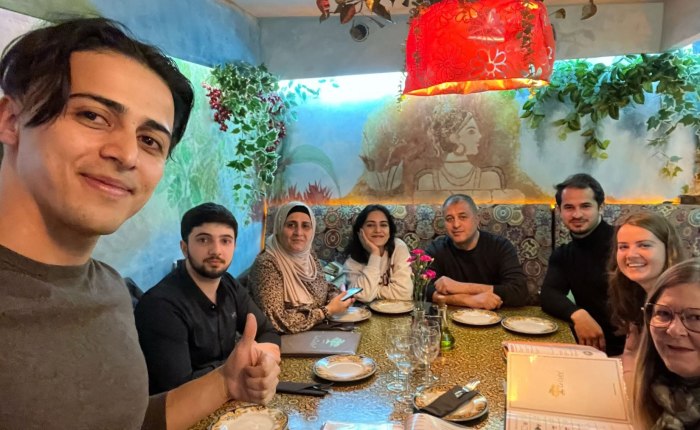

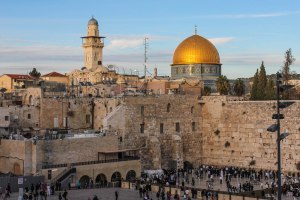

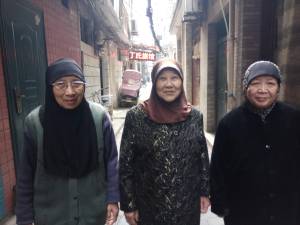
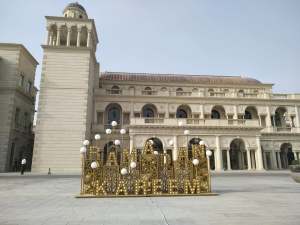
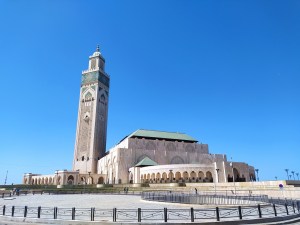
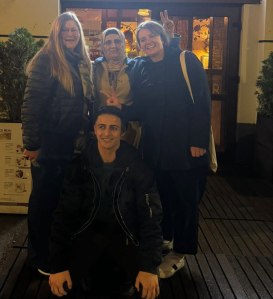
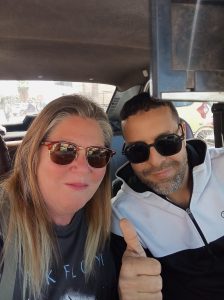
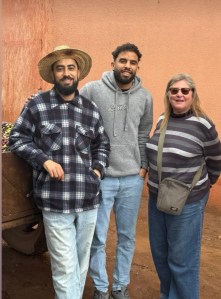
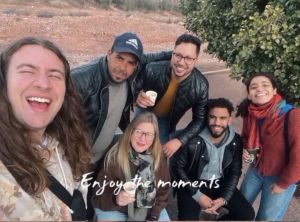
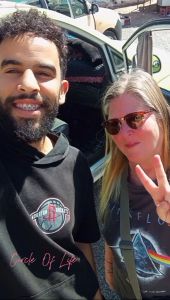
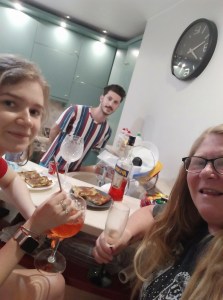 By February 2020 I had relocated to Warsaw, Poland, a country where nearly nine out of ten people identify as Catholic. I didn’t expect much connection with Islam. Then, in June 2021, a new flatmate arrived: Ali, from Iran. Our paths overlapped only briefly. I left for the summer in Bulgaria and he moved on before I returned, but even that fleeting encounter became another paragraph in the story I was living, one that kept nudging me toward places and people connected to Islam. After Bulgaria, before settling back in Warsaw, I traveled on to Egypt and Morocco, beginning a stretch of experiences that would deepen me in ways I couldn’t yet imagine.


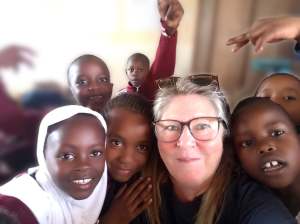

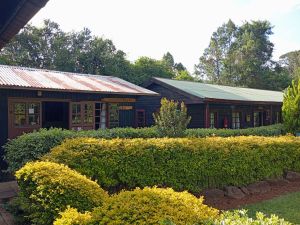
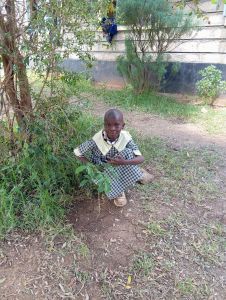
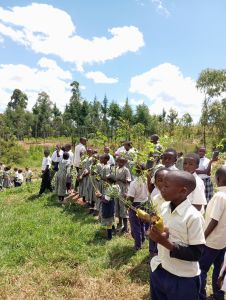

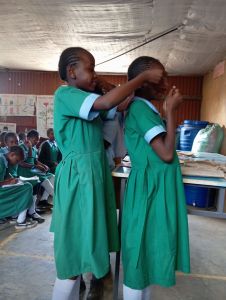
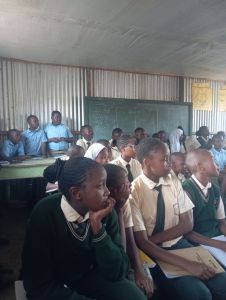
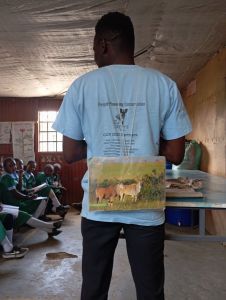
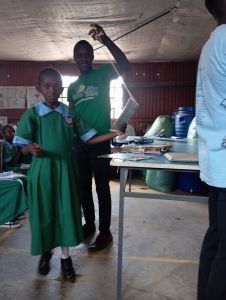
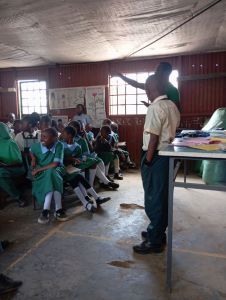
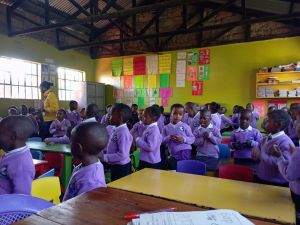

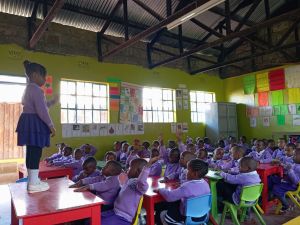
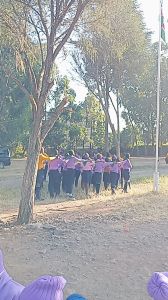
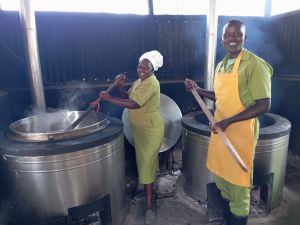
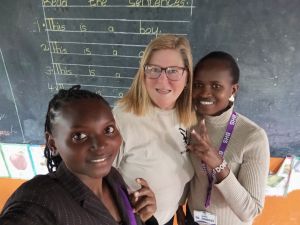
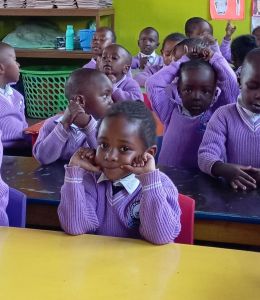
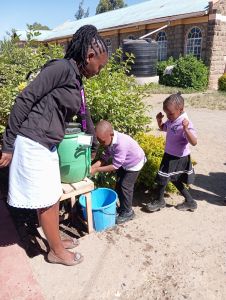
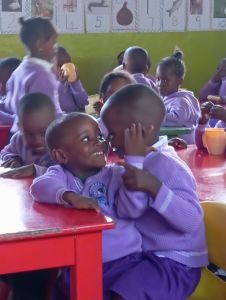

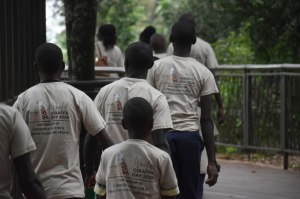
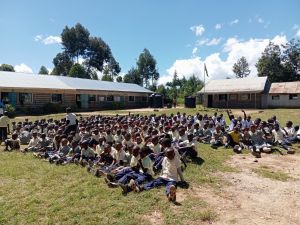
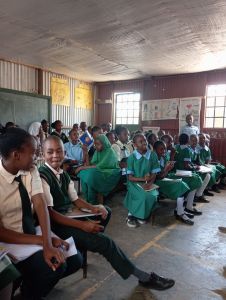
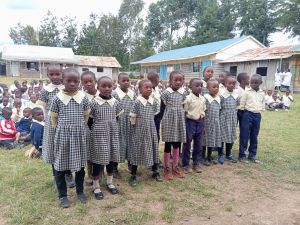


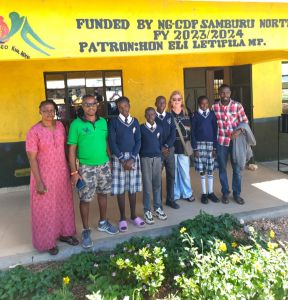
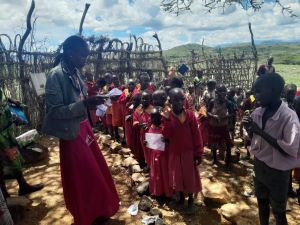
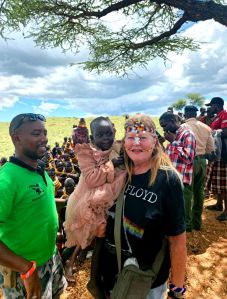
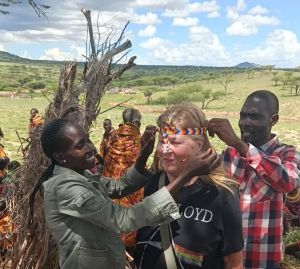
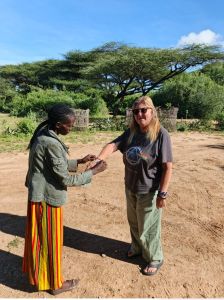
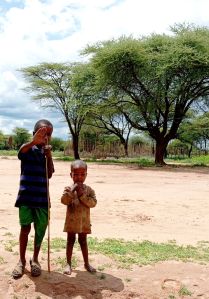
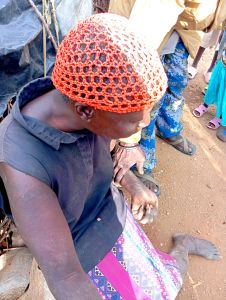
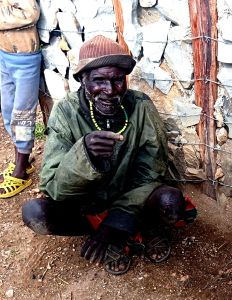
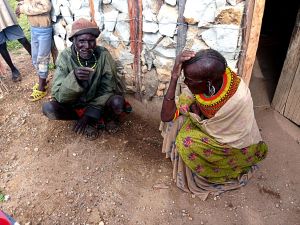
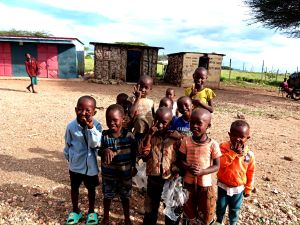






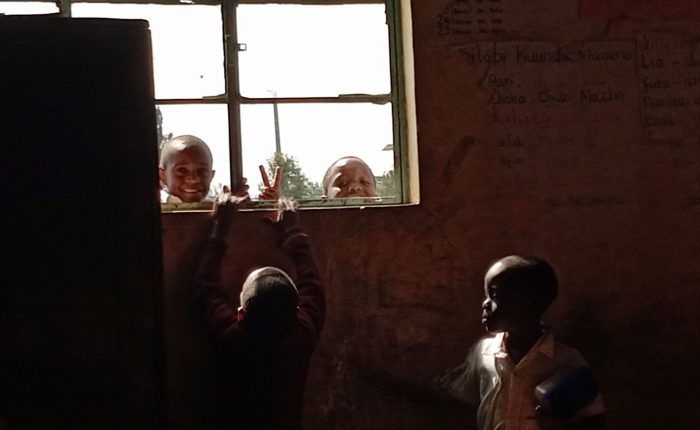
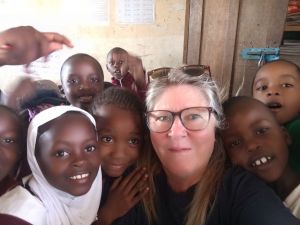
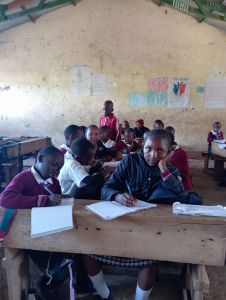
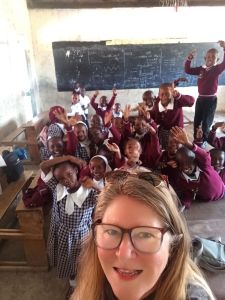
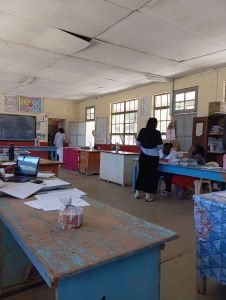
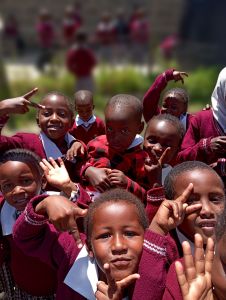
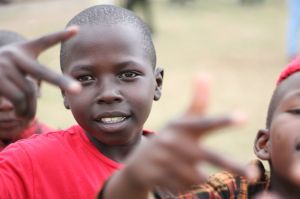
 At Nanyuki DEB Primary School, the classrooms may not have the newest technology or the fanciest buildings, but they have something far more powerful…curiosity. Sometimes the best conversations start with the most unexpected questions. In one classroom in Nanyuki, Kenya, a group of ten and eleven year olds wanted to know if I believed in mermaids. A moment later someone asked about Area 51, aliens, and whether dragons are real. Another student wanted to know if I had ever seen Ohio State University. And then, just as quickly, the questions turned deeper: Why do people die? Why do we have different skin colors? They spoke about the challenges young people face growing up in Kenya today. And in the very next breath, someone asked if, when traveling by plane, I had ever seen the end of a rainbow.