

April 2 begins the 3 day Qingming Festival in China. Qing Ming, or Tomb Sweeping, is a traditional Chinese festival on the first day of the fifth solar term of the traditional Chinese lunisolar calendar. Basically, the 15th day after the Spring Equinox, either the 4th or 5th of April in a given year. Other translations include Chinese Memorial Day or Ancestor’s Day. The holiday is associated with eating qingtuan, green dumplings made of glutinous rice and barley grass. During Qingming Festival, Chinese people visit columbaria, graves or burial grounds to pray to their ancestors. It is an opportunity to remember and honor ancestors at the grave sites. Young and old alike pray before the ancestors, sweep the tombs and offer food, tea, wine, chopsticks, joss paper and libations to the ancestors.
What does this mean to me? Simple, extra days off work and the opportunity to travel and tick a bucket list item. Xi’an is a quick 6 hour ride by bullet train from Jinan, the capital of my province. Why Xi’an, you ask? On March 29,1974, local farmers, while digging a well, unearthed what is one of 11 things billed as the 8th Wonder of World, The Terracotta Army. The Terracotta Army is a collection of terracotta sculptures depicting the armies of Qin Shi Huang, the first Emperor of China. It is a form of funerary art buried with the emperor in 210-209 BCE and whose purpose was to protect the emperor in his afterlife. But, enough about the army, that will be a future post as I am currently on a train 302 kph towards Xi’an. Thanks also to Wikipedia for filling in some details on Qingming and the army.
Now back to random acts of kindness. Although I have been traveling throughout China as a solo female off and on for about 18 months, Peter has been concerned for my welfare ever since arriving in Dong’e. In order to travel to Xi’an and make the most of my time, I would need to catch the bullet train from Jinan. Jinan, depending on where in the city you are going is anywhere from 75 to 90 minutes by car. I usually have a driver available to take me most places I want to go. However, this time, Peter asked if I would mind taking the bus as all 3 drivers that are usually available for me were tied up. The bus would take about 2 hours. I told him that it was no problem taking a bus from Dong’e to Jinan. The bus was leaving at 5:10 pm and Peter purchased my ticket for me since he was feeling bad about not being able to drive me. Of course, he escorted me to the coach station, 45 minutes early, I might add. His idea not mine. So while we wait on the bus to arrive, Peter insists he wait so he can talk to the bus driver to be sure I get off where I need to and can go to the train station to get my ticket the night before so I don’t have to fight holiday travel crowds early (my train was 7:08 am) to pick up my ticket. The bus arrives, I board, its packed to the gills, and find a seat in the last row. Peter is running around talking to the driver, chatting with random people, etc. Next thing I know he is on the bus looking for me. He then points at a young man near the front of the bus and tells me that the gentleman would look after me. Okay, whatever, this isn’t my first rodeo, I just smile and say thank you.

So, the journey begins. An overcrowded, rickety bus and bumpy countryside roads, I put my headphones and figure I will close my eyes and relax. Problem number one, headphone is broke. Problem number two, the bus has stopped and is backing up on the narrow single lane road with busses and trucks coming in the other direction.

Next thing I know, the bus is attempting a 3 point turn around, or so I thought. We are actually trying to turn, and not fall off the road into a ditch, and head down what looks like a dirt path through a field. We make the turn and we are on our way again.

About 2 hours later, the man in the front of the bus is motioning me to come with him and get off the bus. Okay, it looks like we are on some random back street outside of town. This is where faith kicks in and you get off the bus and go with the man, who carries your suitcase for you. He leads you to a waiting car, puts your suitcase in the trunk, opens the car door and motions for you to get in. Not knowing where I am and the bus has pulled away, I get in the car and say “nihao” to the lady driving the car. My escort tells me in his best English, they will take me to the train station so I can get my ticket tonight because it will be very busy in the morning. We get to the train station and I say thank, you. He says, “No, I will go with you so you have no trouble”. Into the station we go, he waits in line with me and I get my ticket. He walks outside with me and I again thank him and plan to get in a taxi to my hotel. Again, he says, No, I will find a taxi for you. I told your friend I would get you to the hotel”. Although his English wasn’t that good, he got the point across. He also pointed to a building nearby and said he worked in IT in that building so it is no problem to help me. We get near the main road and he speaks to a woman and tells me to pay her 20 rmb ($3.00) and she would make sure I got to the hotel. I jump in the backseat of the car while she puts my suitcase in the trunk and about 15 minutes later she delivers me to the hotel.
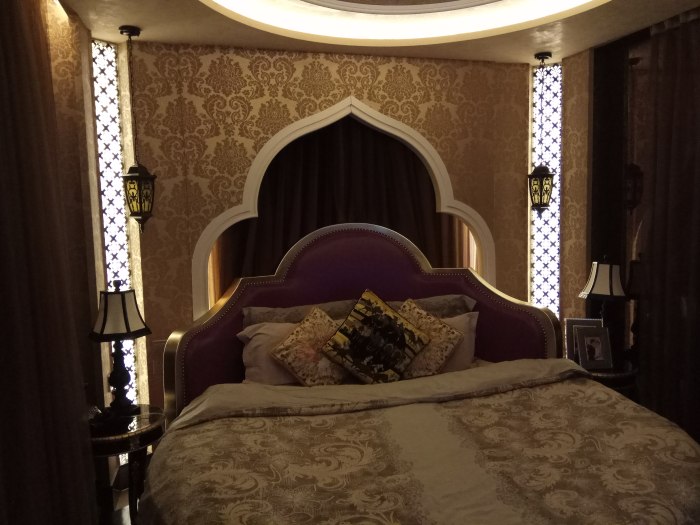
This is the lovely Boutique Hotel I posted the video. Again, the people at the hotel were so kind despite language barriers. The lady at reception checked me in, took my suitcase and carried it to my room, turned on the lights, showed me around, said, “okay”? I said “yes, xiexie”. After she left, I realized I forgot to tell her I would need a taxi at 6am to the train station. I put the info in my google translate (a lifesaver when in China) and went downstairs. She said okay. In the morning, my phone rang a little before 6am and the lady said “come”. I figured my taxi was here and headed downstairs. She hadn’t called me a taxi, but got someone she knew to drive me to the train station. End of story, he delivered me to the station and I got on my train to Xi’an.
I know I ramble a lot for a such a short, but the kindness of the people I have met in China is worth telling. Not only that, but I didn’t have anything else exciting to post on my blog. I am writing this as my train is heading towards Xi’an where I am sure I will have some more exciting things to blog about, but for now, this is what you get.




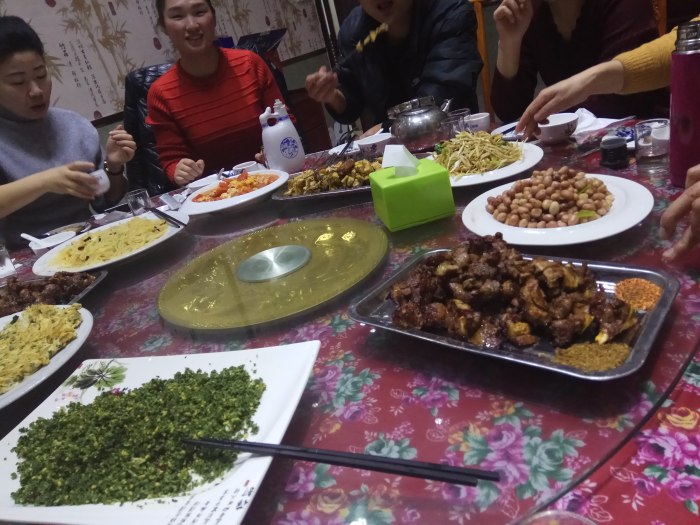
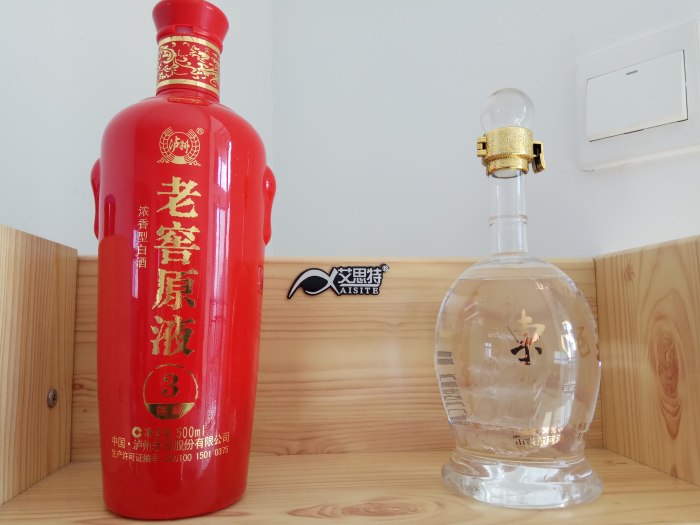
 Let the feast begin. Your small plate is placed in front of you, but it is there to basically eat over and catch any droppings. At a dinner in China, you do not fill your plate, but merely take food with your chopsticks from whatever dish is in front of you and eat. As more and more food is brought out the table is rotated by people at the table so all dishes get around to everyone. Basically it is communal eating. By now the host has opened the baijiu and has filled everyone’s juice glass to the brim. At some dinners, the women don’t drink baijiu, usually tea, fruit juice or beer (pijiu 啤酒). At my first dinner, everyone drank baijiu, the host brought a case. The host and then various people around the table will give a toast to welcome you. You will either clink glasses or touch the glass to the table and nod if the person giving the toast is across the table from you. If you hear the word “ganbei” 干杯, this literally translates to “dry cup” and is the Chinese version of “bottoms up”. The tricky part of the dinner is pacing yourself as you must continue drinking until the host is finished.


 Down the Rabbit Hole